They're not competing solutions — they're partners. Here's how to know whether you need a French drain, a sump pump, or both.
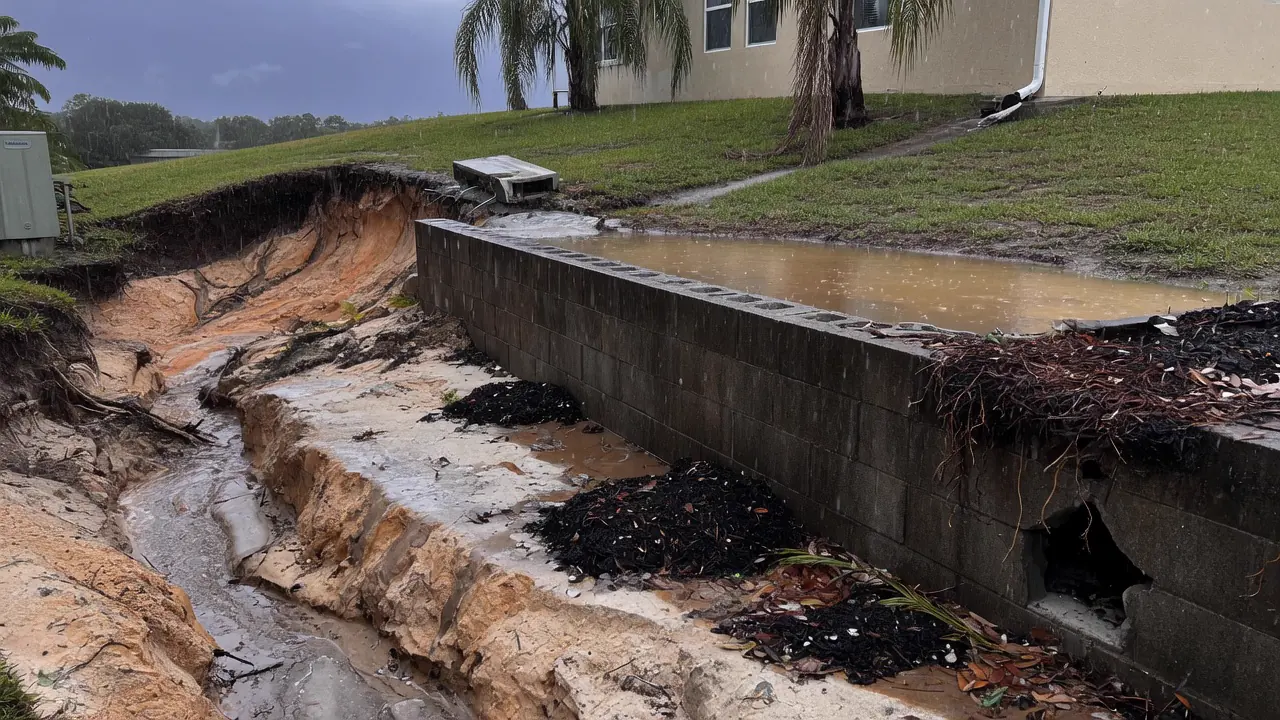
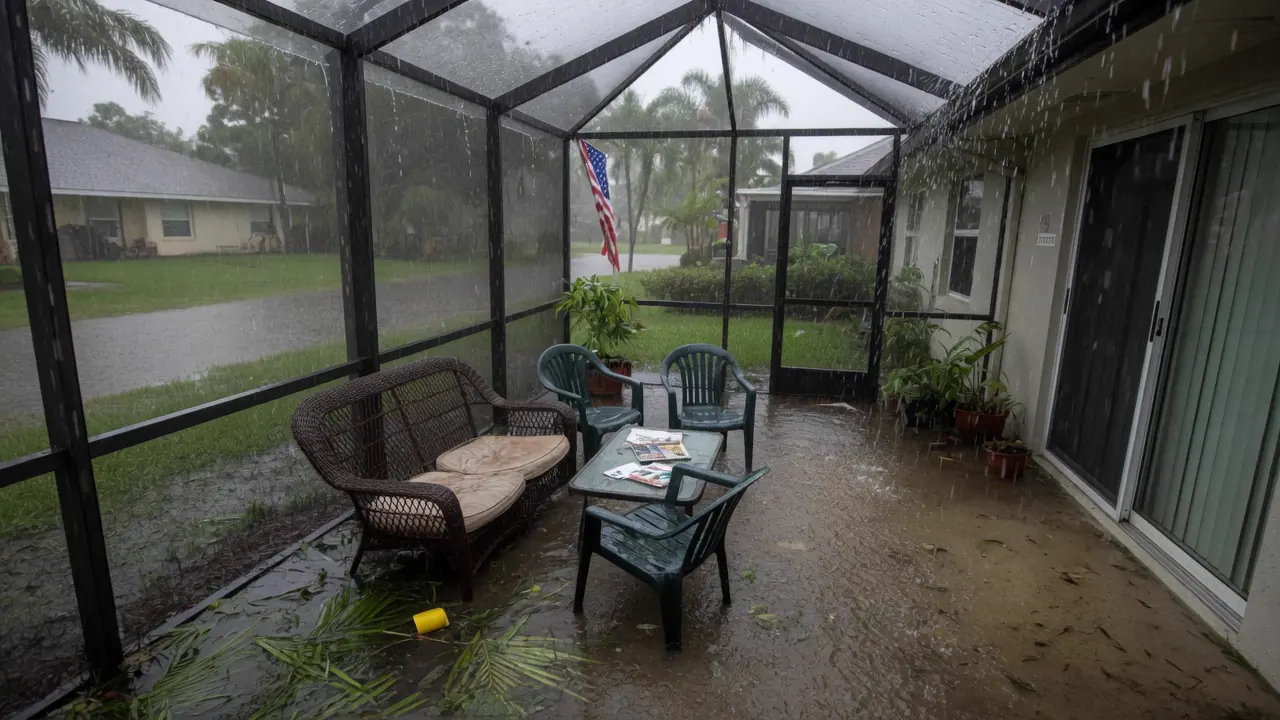
Most homes in Central Florida need both a French drain and a sump pump working together. A French drain collects water by gravity in a gravel trench and pipe. A sump pump actively lifts that water out when gravity alone isn't enough — which is the case for the majority of flat lots and high water table properties here. Pairing them solves yard flooding, foundation pressure, and crawlspace issues at once.
French Drain vs. Sump Pump Comparison
| Aspect | French Drain | Sump Pump | Best Used Together? |
|---|---|---|---|
| How it works | Gravity collection in perforated pipe + gravel trench | Active pump lifts water from basin to safe discharge | Yes — collection + lift |
| Cost (typical) | $3,000–$7,000 for perimeter | $1,500–$4,000 installed | $5,500–$12,000 combined |
| Best for | Intercepting groundwater before foundation | Flat lots, high water tables, no natural slope | Almost all Central FL homes |
| Maintenance | Low — occasional inspection | Test monthly, service annually, battery backup | Annual professional check |
| Florida specific | Filter fabric essential in sandy soil | Battery backup critical for hurricanes | Standard for high water table areas |
What a French Drain Does
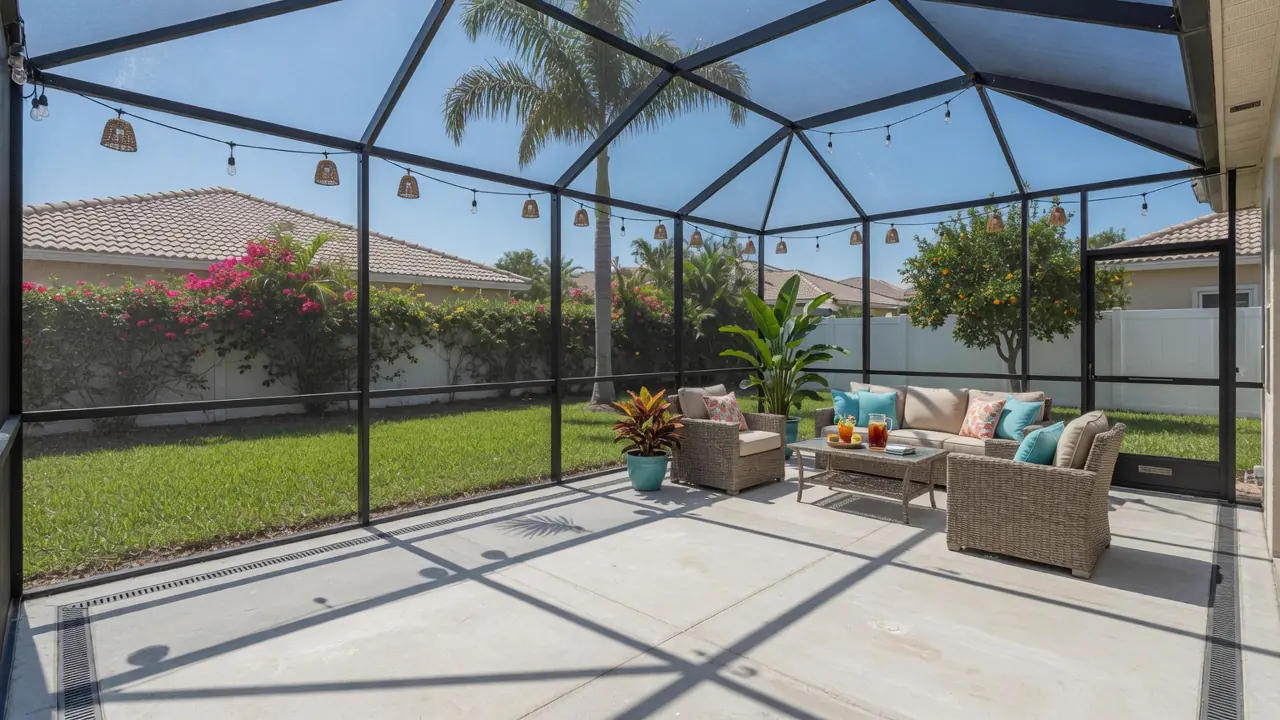
A French drain is a fabric-lined, gravel-filled trench with a perforated pipe. It captures groundwater and surface runoff and carries it away by gravity. It's the collection half of the system. In Florida's sandy soils and high water tables, it's the foundation of any effective solution.
What a Sump Pump Does
When gravity alone can't move water to a safe discharge point — think flat lots or a high water table — the drain routes to a sump basin. The pump automatically switches on and lifts the water out through a solid discharge line. It's the muscle that makes drainage work where gravity can't. In Central Florida, power outages during storms make battery backup essential.
When You Need Both (The Florida Reality)
- Flat lots with no natural downhill discharge
- Homes with a high water table (common near the coast and in many inland areas)
- Wet crawl spaces or basements
- Foundations under hydrostatic pressure from saturated soil
- Heavy summer storms that overwhelm gravity-only systems
See our [services page](/services) for details on each system and our [process](/process) for custom design.
French drain + sump pump = capture the water, then move it somewhere safe. Together they solve yard flooding, foundation pressure and crawlspace intrusion at once.
Get the Right Recommendation for Your Property
Not sure which your home needs? That's exactly what our free site evaluation determines. We walk every property, test soil and water levels, and design the exact combination that will keep your Central Florida home dry. Contact us today for an assessment in Daytona Beach, Port Orange, Orlando, or surrounding areas.
Frequently asked questions
Do I need a French drain or a sump pump?
In Central Florida you often need both: the French drain collects water; the sump lifts it when the lot is too flat or the water table is high.
Can a French drain work without a sump pump?
Only if there is enough natural slope and a legal gravity discharge. Many Florida lots do not have that.
Can a sump pump work without a French drain?
A sump alone helps a pit area but will not intercept perimeter groundwater as effectively as a combined system.
What does FloGuard recommend for high water table homes?
A fabric-lined French drain routed to a sealed sump with check valve and battery backup options for storm outages.
Standing water on your property?
Book a free, on-site drainage assessment. We'll map the problem and design a system built for Florida storms.